
We’re to go in Montenegro!
Where To Go In Montenegro – A Beginner’s Guide
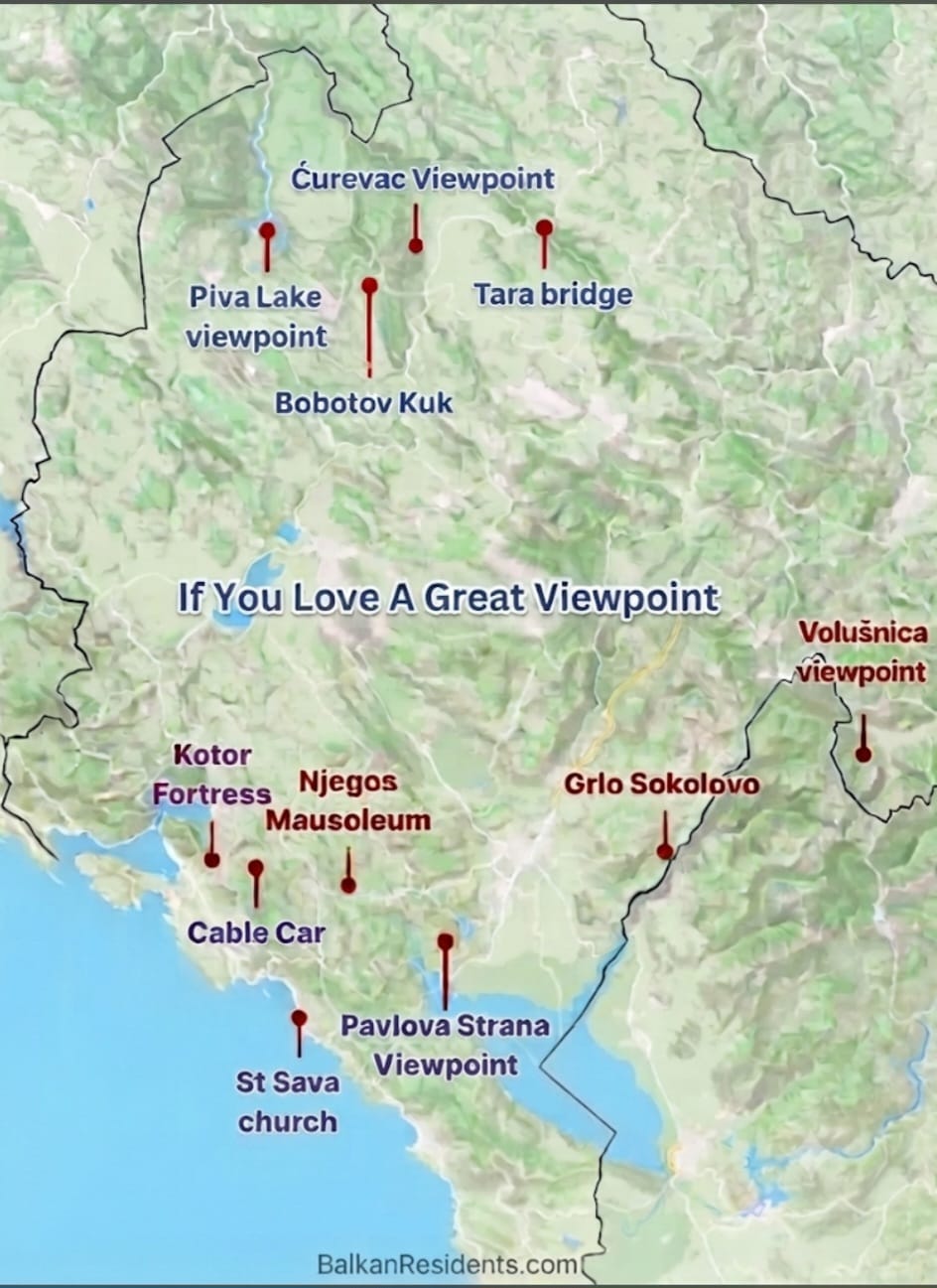
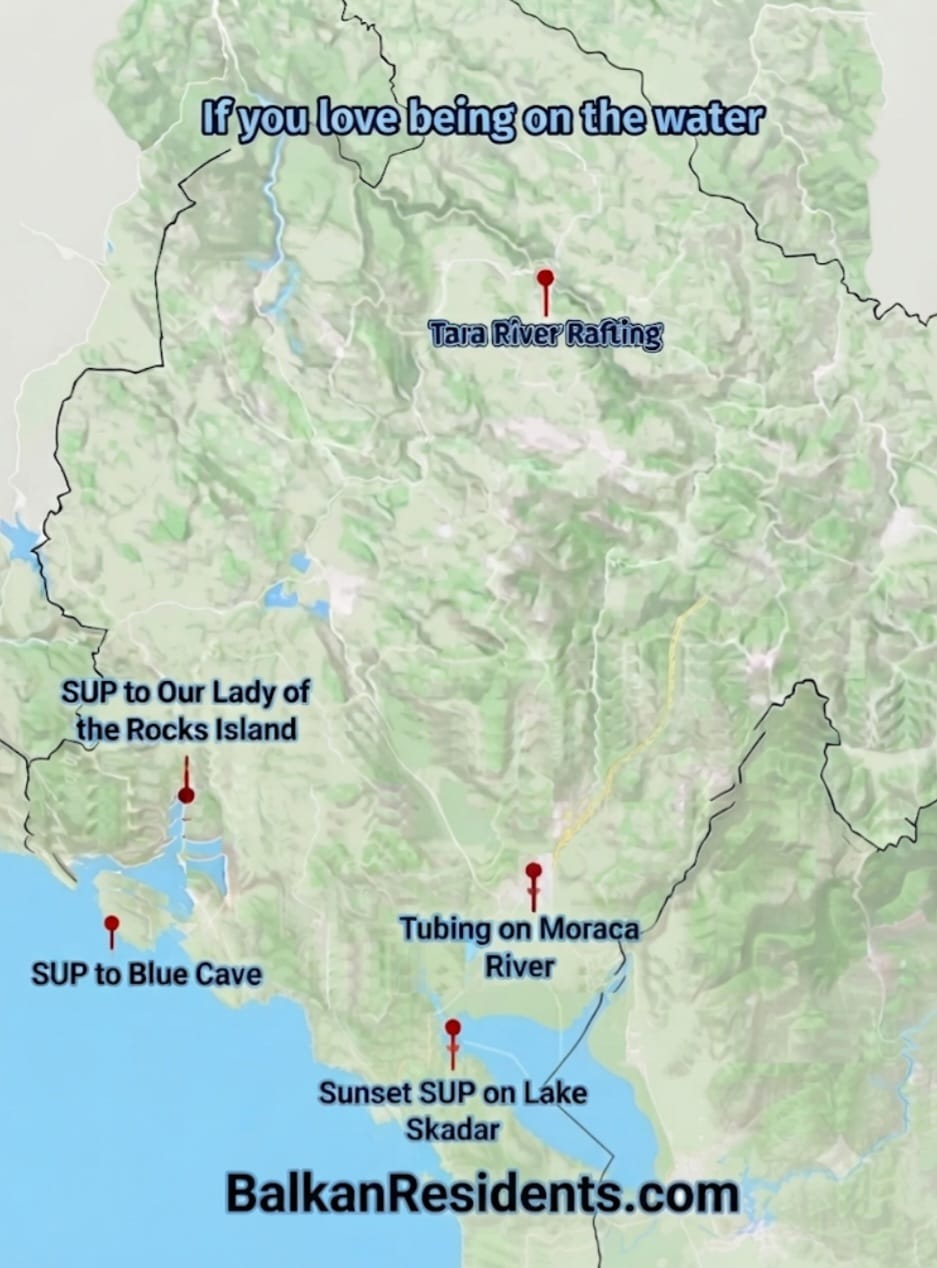
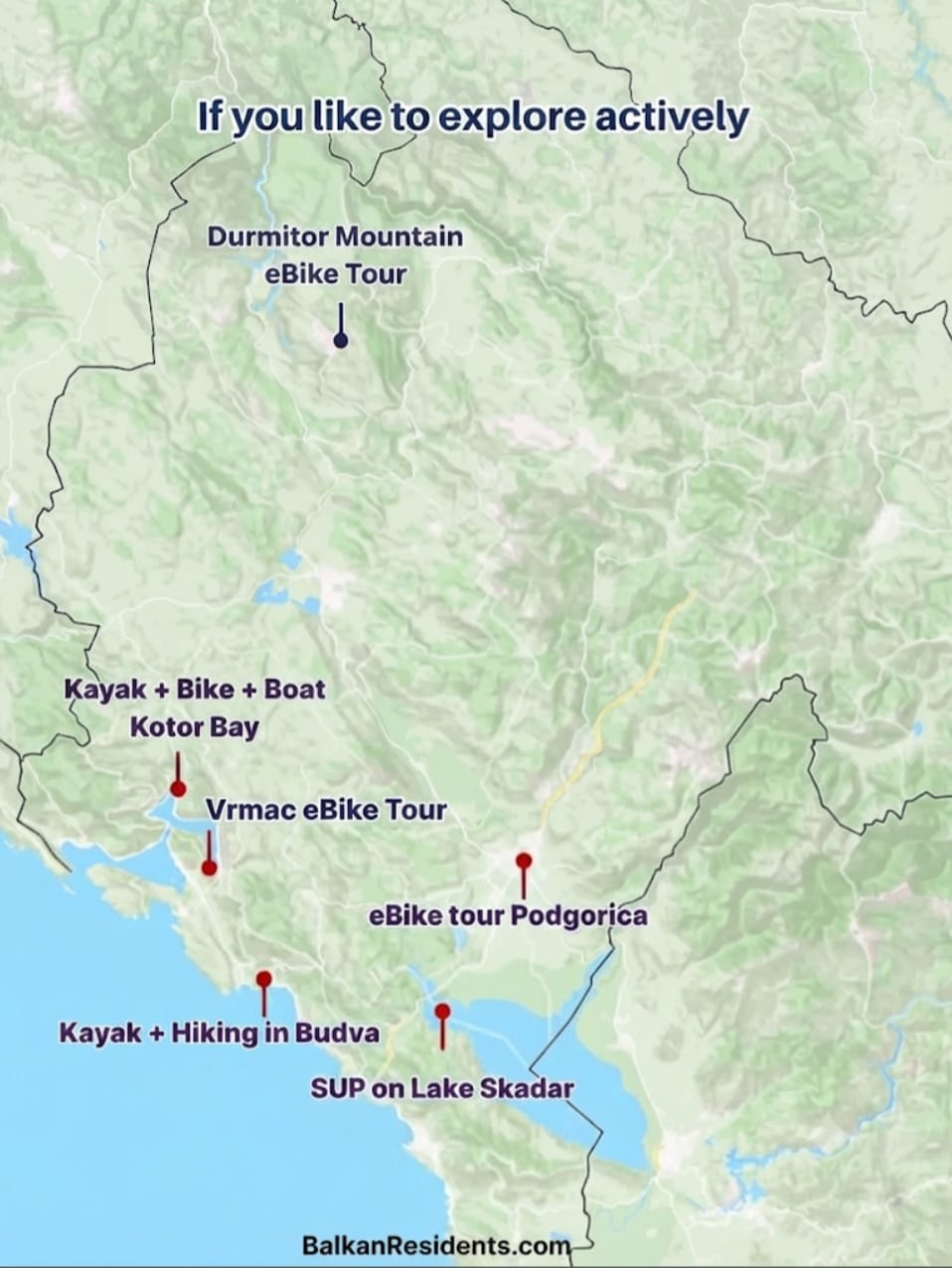
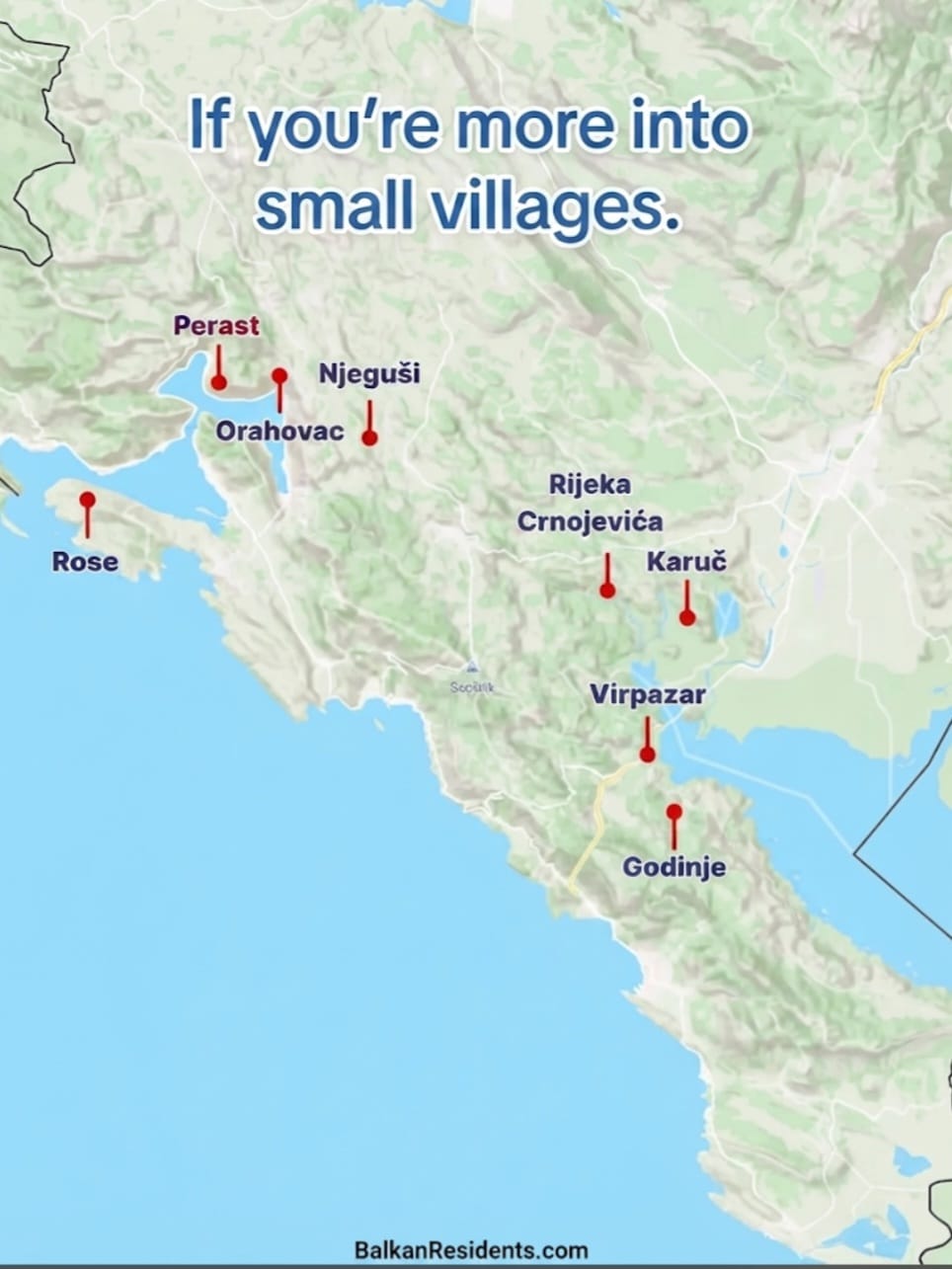
Scroll through the marked maps, depending on your interest:
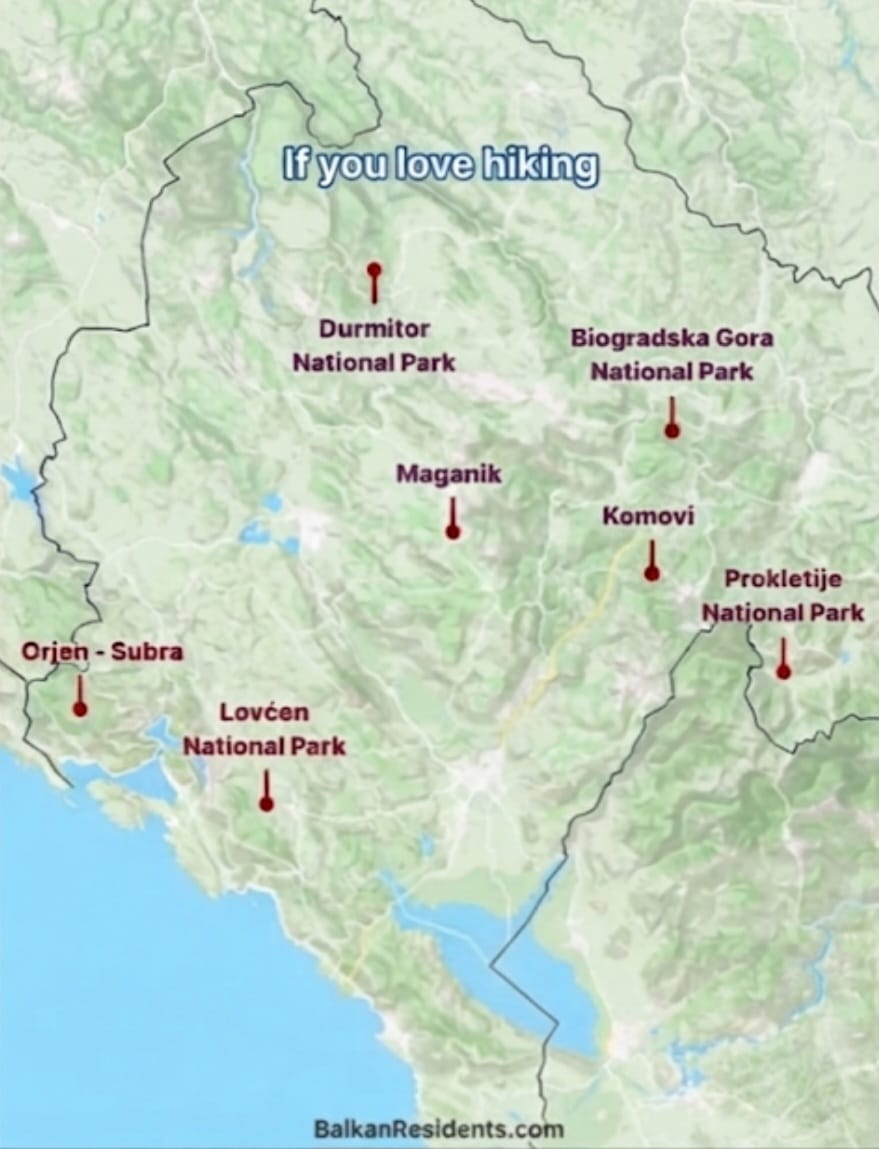
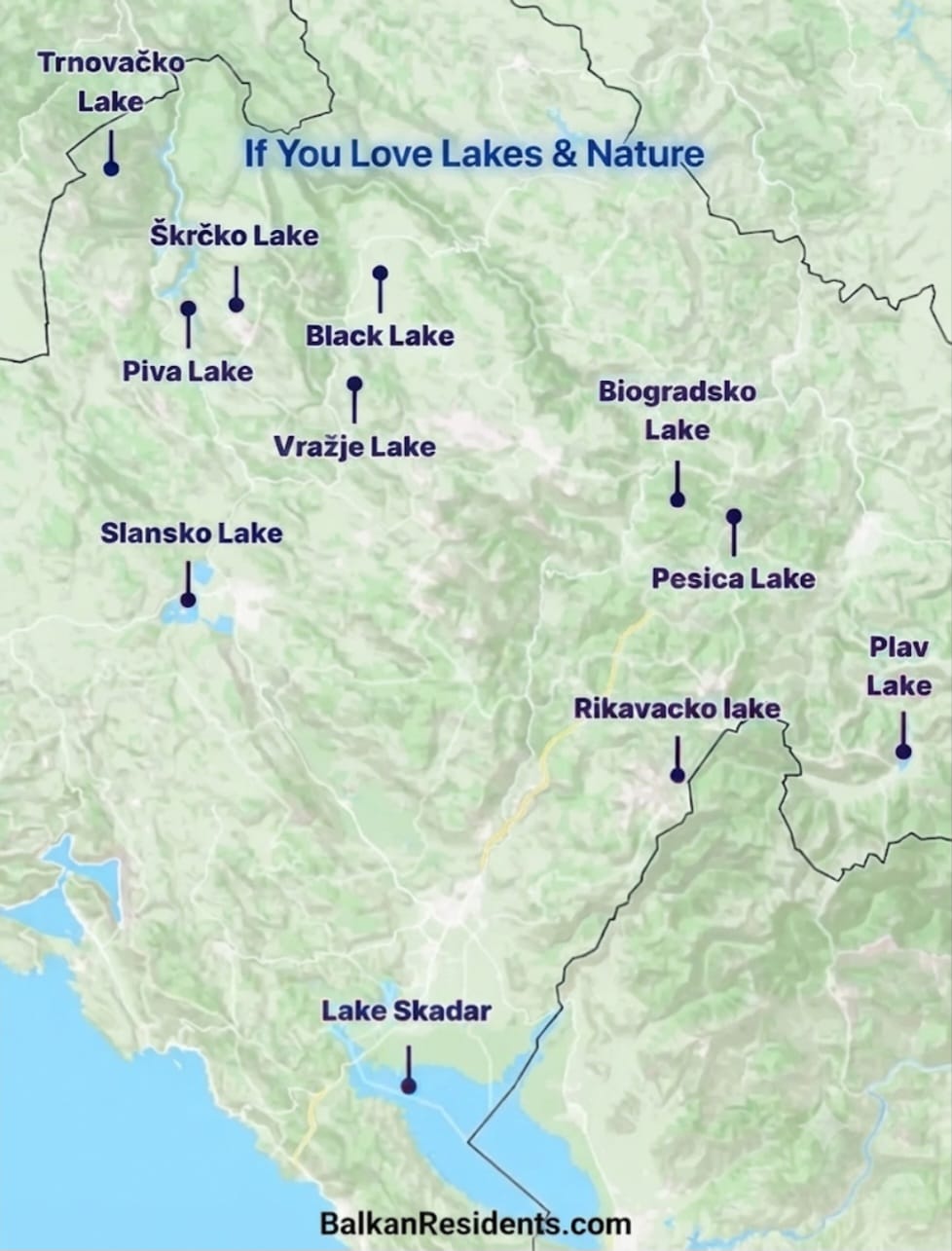
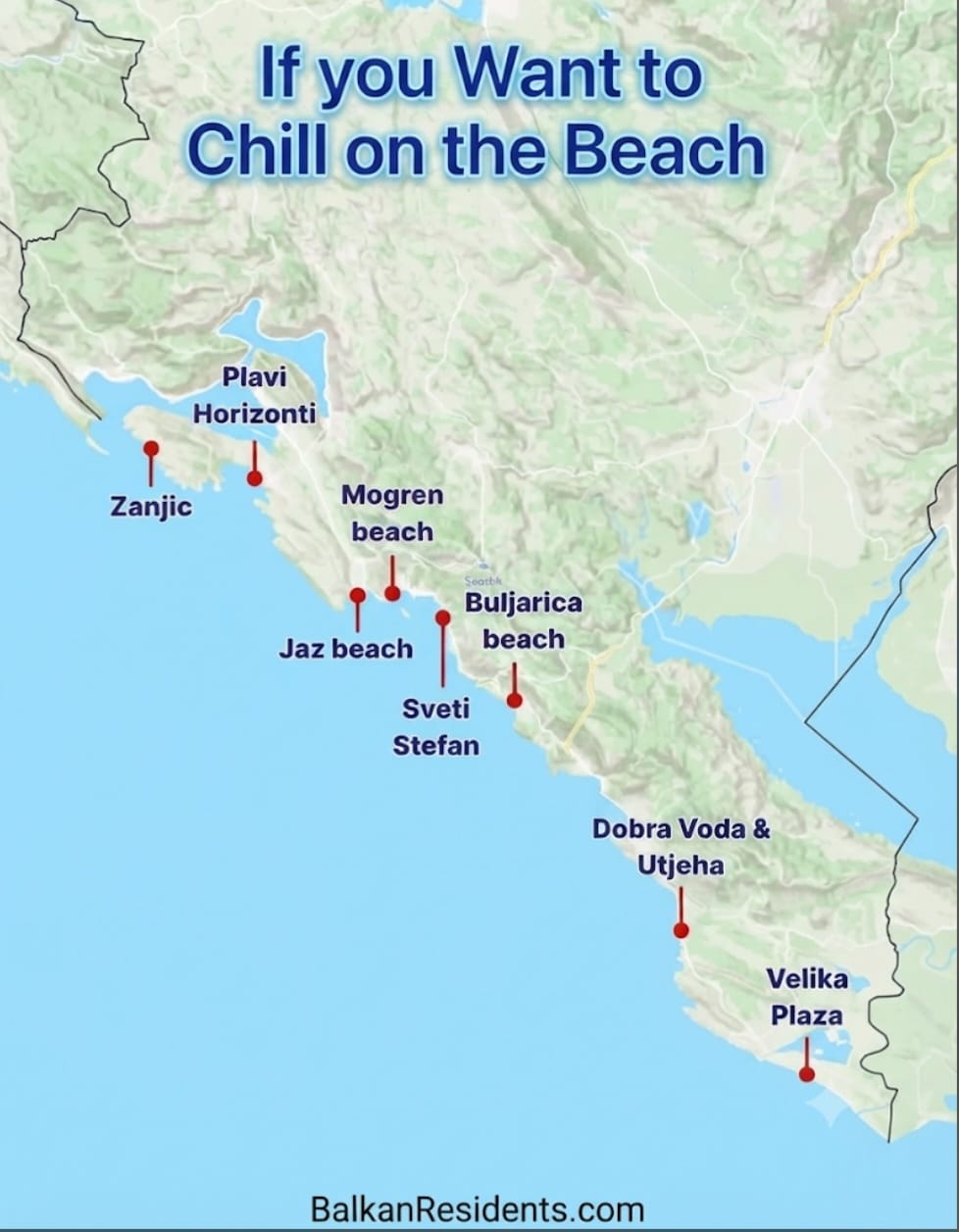
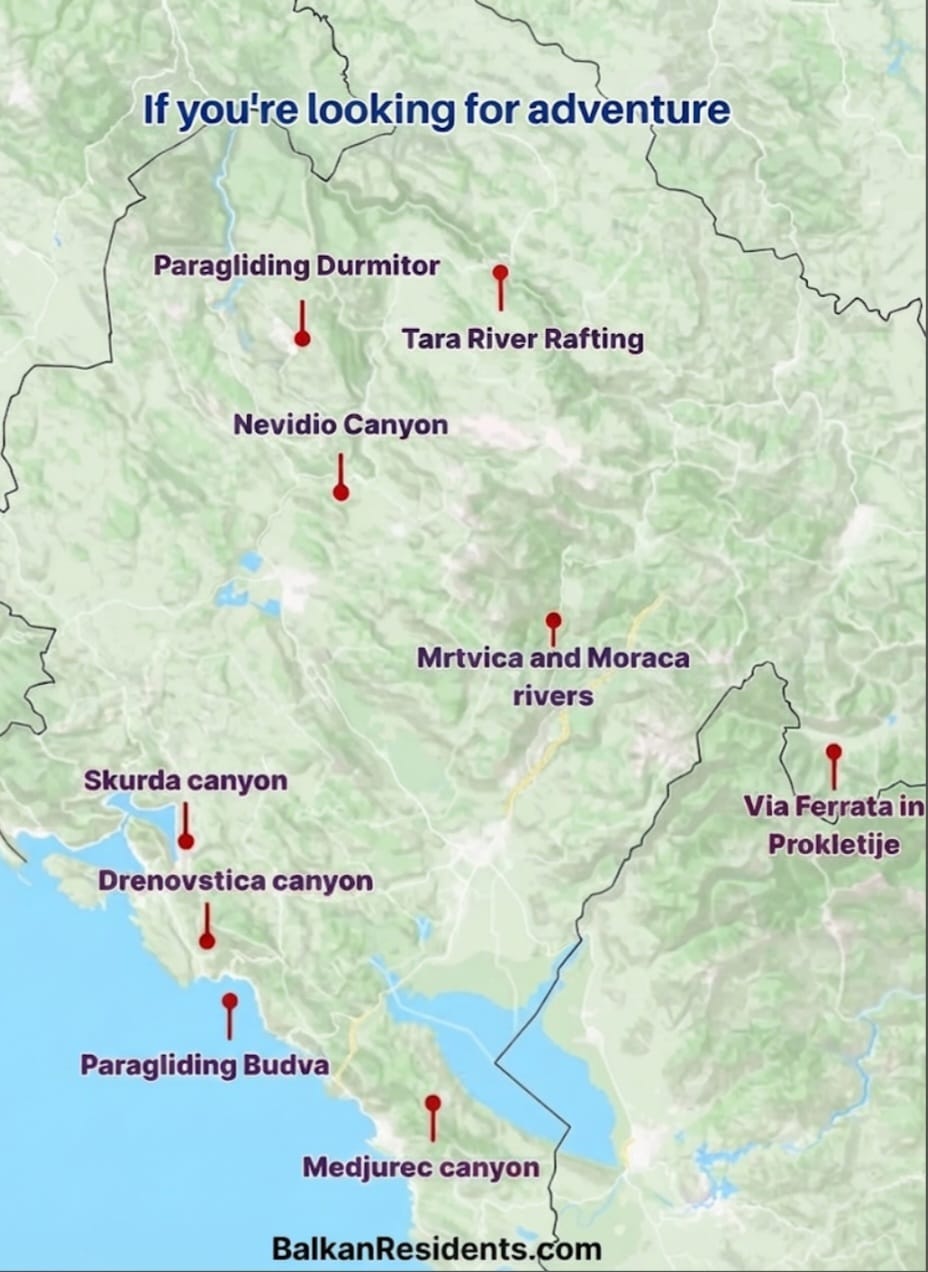
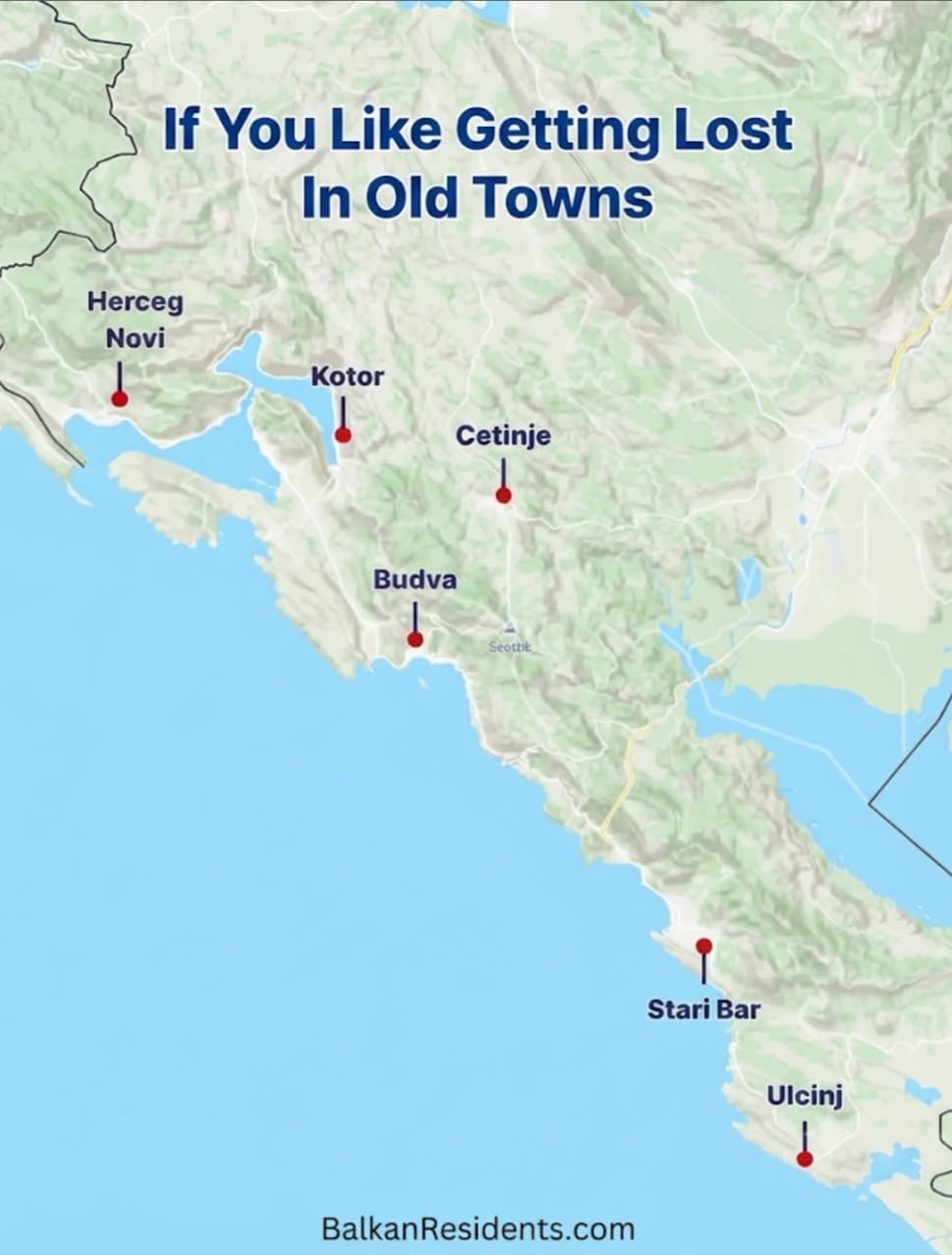
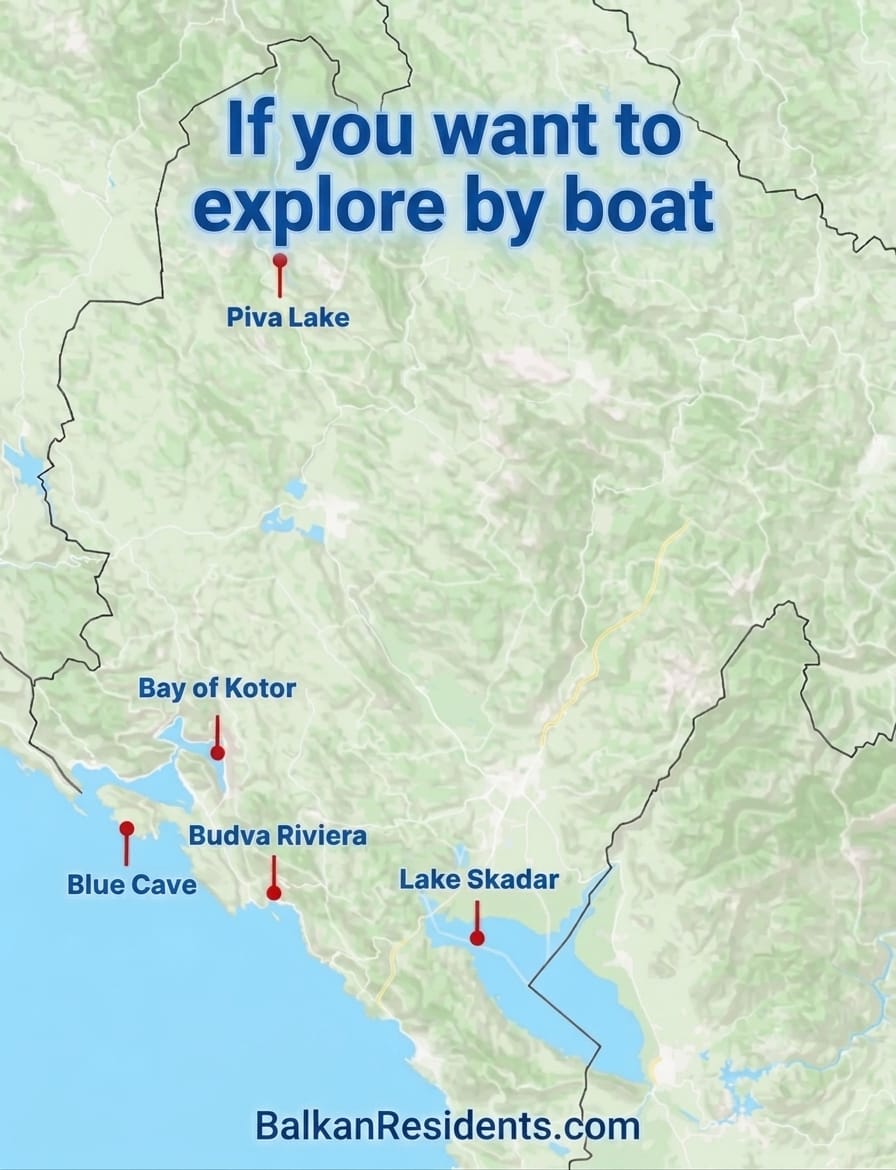

Montenegro will officially end its visa-free travel agreements with Russia, Belarus, and Turkey starting November 1, 2026. The decision represents a crucial, non-negotiable step by Podgorica to fully align its national visa policy with European Union standards as it advances along its path toward EU integration.
Under the newly revised Regulation on the Visa Regime, ordinary passport holders from these three nations will be required to obtain traditional entry, transit, and stay visas prior to crossing Montenegrin borders.
This policy overhaul highlights Montenegro’s shifting legislative landscape as it meets strict European integration benchmarks:
EU Integration Closing Benchmarks: Compliance with the EU’s common visa framework is a primary requirement for Chapter 24 integration negotiations, unlocking vital funding allocations under the European Growth Plan.
Bilateral Exceptions: To minimize diplomatic disruption with Ankara, the government plans to pursue a separate bilateral agreement with Turkey. This will preserve seasonal visa-free entry privileges strictly for holders of diplomatic, official, and special passports.
No More Seasonal Loopholes: The government has explicitly banned the future implementation of temporary or seasonal visa waivers for the affected nationalities, ensuring year-round regulatory stability.
For locals and residents in coastal tourism hubs and urban centers, this policy shifts the economic status quo. Citizens of Russia and Turkey historically comprise two of Montenegro’s largest demographics for real estate investments, business registrations, and private accommodation rentals.
Local boutique travel agencies, property managers, and hospitality vendors should prepare for an administrative shift in client onboarding. While the country is actively expanding its network of VFS Visa Application Centres and preparing a modernized online e-Visa platform to ease the transition, business operators should expect a temporary shift in autumn and winter booking dynamics.
Would you like me to write a detailed follow-up article exploring how this policy change will impact local real estate values along the coast, or would you prefer an overview of the upcoming e-Visa application process for affected foreign nationals?

MILAN CRNOGRSKI BR Corrections
While Montenegro’s seasonal visa waiver opened doors for many UAE residents, specific GCC passport holders remain entirely excluded from the arrangement. The policy, designed to streamline travel for expatriates residing in the Emirates, carries strict national caveats that local tourism businesses and flight operators must closely monitor.
Despite holding valid UAE residency, citizens of Qatar, Kuwait, Bahrain, and Oman are not eligible for the 10-day visa-free entry. Travelers carrying these specific nationalities must secure a traditional visa prior to arriving at Montenegrin borders.
Alternative Application Channels
For affected individuals who still wish to visit Montenegro, standard consular procedures must be followed through designated administrative routes in the UAE:
VFS Global Centers: Applications can be processed in person at the official VFS branches located in Abu Dhabi and Dubai.
Embassy Submission: Applicants can coordinate directly with the Embassy of Montenegro to secure their travel clearance before booking flights.
For local hospitality providers and travel agencies across Montenegro, understanding these exceptions ensures seamless client onboarding and prevents costly boarding rejections at direct flight gates.

A total of 69,945 foreign citizens currently hold a residence permit in Montenegro, reflecting the country’s growing appeal as a hub for expatriates, digital nomads, and regional neighbors.
The latest data highlights a diverse demographic shift, with the largest community originating from Russia, accounting for 17,907 residents. Serbia follows closely with 15,287 permit holders, while Turkey represents a significant and growing presence at 10,600 residents.
For locals and long-term expats alike, these numbers underscore Montenegro’s accelerating integration into the global community, transforming coastal and urban centers into multicultural hubs.

Montenegro’s temporary summer visa waiver program for United Arab Emirates (UAE) residents officially concluded on October 1, 2026. Designed to stimulate high-end tourism and strengthen economic ties between the Adriatic and the Gulf, the seasonal initiative offered a streamlined gateway for the UAE’s large expatriate population.
The specialized scheme, which ran annually from May 1 to October 1, allowed qualifying foreign nationals living in the Emirates to explore Montenegro’s coastal towns and historic regions for up to 10 days without a pre-entry visa.
The strict criteria enforced throughout the season served to filter for committed, long-term professionals and families:
Residency Longevity: Travelers were required to hold a valid UAE residence permit continuously for at least three consecutive years.
Direct Logistics: Entry was restricted strictly to arrivals on direct flights originating from the UAE, with flydubai’s direct route to Tivat serving as the primary corridor.
Verified Tourism Track: Mandatory proof of pre-booked tourist arrangements, local accommodation, and a confirmed return ticket.
Nationalities Excluded: The waiver did not apply broadly to all passport holders; nationals from countries such as India, Pakistan, Bangladesh, Afghanistan, Syria, and Somalia remained under standard visa obligations.
For locals, business owners, and coastal communities in towns like Budva, Kotor, and Tivat, these targeted summer entry rules have successfully diversified our tourism demographic. The framework brought premium, high-spending expatriate professionals from the Middle East directly to our shores, providing an economic lift to local hotels, boutique agencies, and service providers during the peak season.
Following the October 1 deadline, standard regulations have resumed. UAE citizens continue to enjoy year-round visa-free entry for up to 90 days. Meanwhile, UAE expatriates must now apply through standard channels via the Embassy of Montenegro in Abu Dhabi or VFS Global.